

Around the World in 80 Casts: Global Aquatic Wildlife Discoveries
A weekly roundup of the most unusual, bizarre, and fascinating aquatic discoveries from around the globe.
Welcome, fellow anglers and ocean enthusiasts, to another installment of 'Around the World in 80 Casts'! This week, we're diving deep into the abyss and traversing the vast expanse of our planet's waters to bring you the most incredible and sometimes downright weird aquatic wildlife discoveries. From the crushing depths of the Southern Ocean to the twilight zone of Japan, and from the sunny coasts of California to the warm waters of Tonga, our planet continues to reveal its hidden wonders. So, grab your gear, and let's cast our lines into the latest breaking news from the world of marine biology!
Death Ball Sponge and 30 New Deep-Sea Species
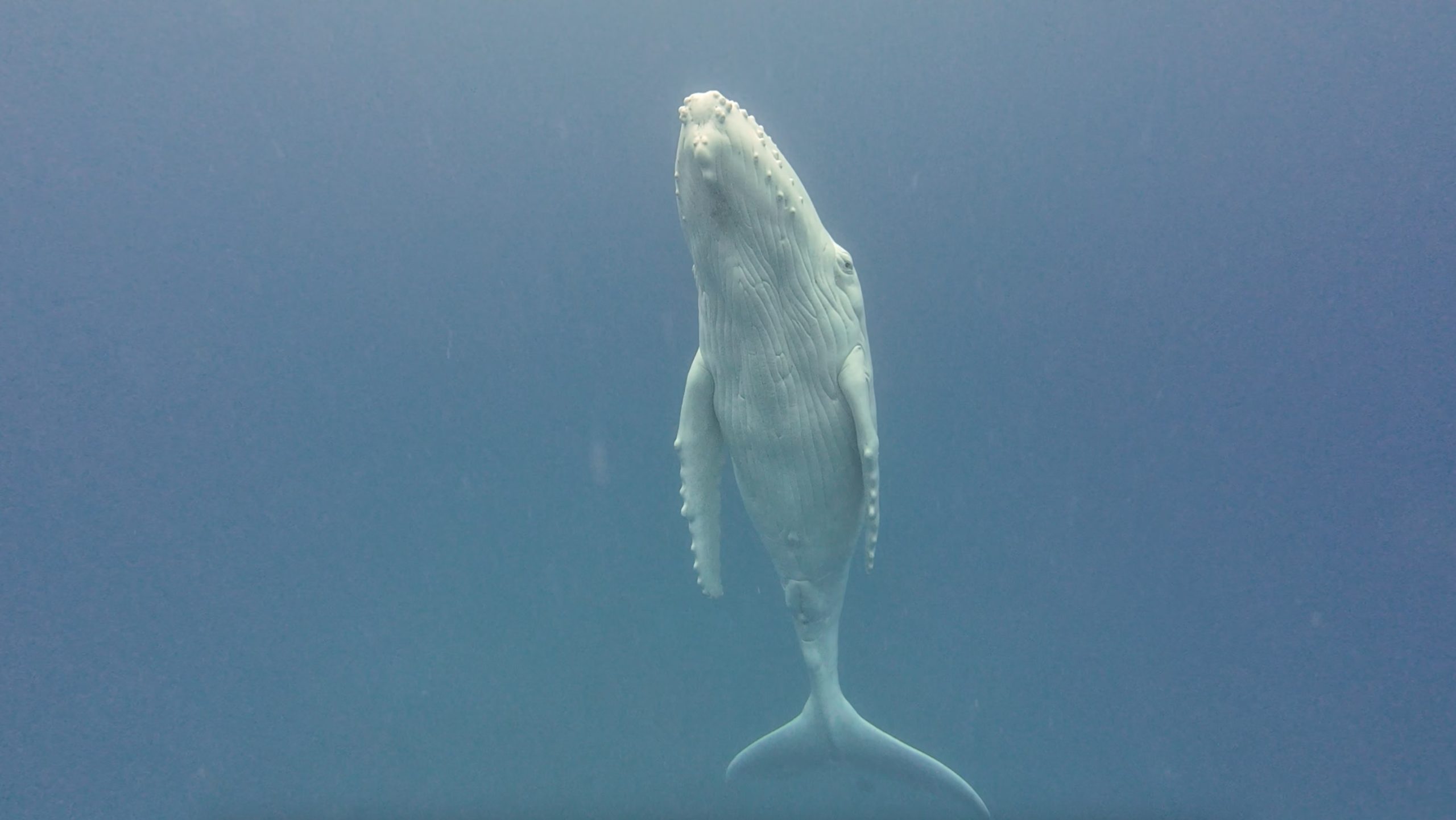
Image credit: ROV SuBastian / Schmidt Ocean Institute / Ocean Census
Source: Ocean Census / A-Z Animals
Date: December 1, 2025
Location: South Sandwich Islands (east of Montagu Island)
Depth: 11,814 feet
Key Details:
- Carnivorous sponge (Chondrocladia sp. nov.) nicknamed "death ball" sponge
- Has 10-12 branches with white spherical balls at the ends
- Each ball covered in tiny sharp hooks to trap prey
- Unlike passive filter-feeding sponges
- Discovered by ROV SuBastian
- Part of 30 newly discovered deep-sea species
- Found in Southern Ocean near Antarctica
Super Saiyan Goby Fish
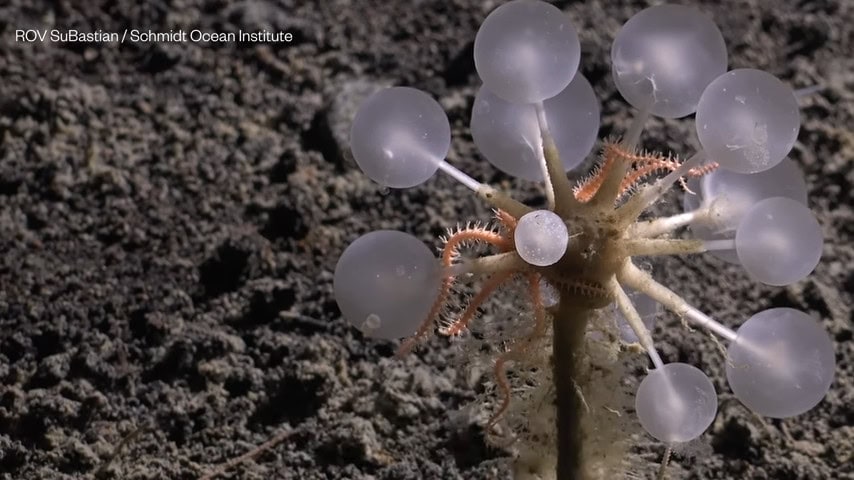
Image credit: University of the Ryukyus
Source: University of the Ryukyus / Anime News Network
Date: December 1, 2025 (announced)
Location: Ishigaki Islands, Japan
Depth: Twilight zone (100-300 meters / 300-1,000 feet)
Key Details:
- New species: Vanderhorstia supersaiyan
- Named after Dragon Ball's Super Saiyan transformation
- Named for the patterns on its fins that resemble Super Saiyan hair
- Small goby fish
- Discovered by University of the Ryukyus researchers
- Found in the ocean's twilight zone off Ishigaki coast
Mystery Mollusc - Glowing Deep-Sea Nudibranch
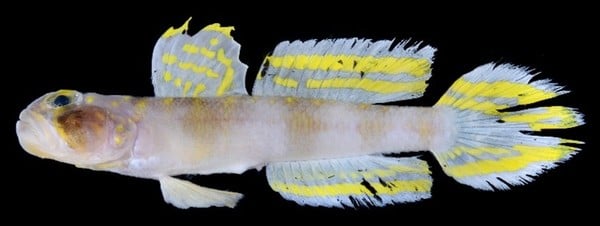
Image credit: MBARI
Source: Monterey Bay Aquarium Research Institute (MBARI) / Mashable
Date: Published November 13, 2024 (but recent - within scope as ongoing coverage)
Location: Off coast of California
Depth: 3,300 to 13,100 feet (midnight zone)
Key Details:
- Scientific name: Bathydevius caudactylus
- Dubbed the "mystery mollusc"
- New species of nudibranch (sea slug)
- Took 150 sightings over 20 years to identify
- Transparent body that can glow
- Hunts with a large hood like a Venus fly trap
- Can detach finger-like appendages as decoys for predators
- Hermaphrodite
- Lives in midnight zone (70% of Earth's seawater)
- Published in Deep-Sea Research Part I
Unique Behaviors:
- Uses transparency to hide in plain sight
- Traps crustaceans with hood mechanism
- Detaches glowing appendages as predator decoys
Rare White Humpback Whale Calf in Tonga
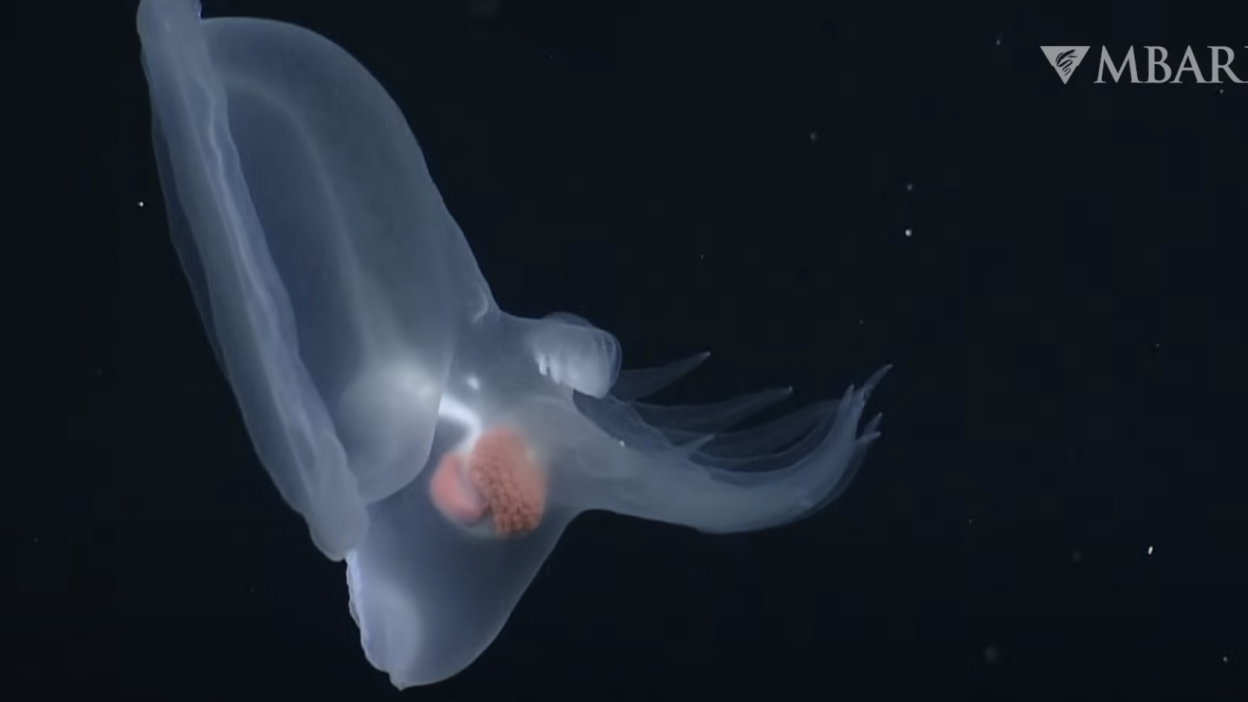
Image credit: David and Tristin Sheen, Whale Discoveries
Source: Whale Discoveries / Discover Wildlife
Date: November 26, 2025
Location: Ha'apai and Vava'u, Tonga (South Pacific)
Depth:
Key Details:
- Named "Siale" (second white calf; first was "Mãhina")
- TWO white humpback whale calves born in Tonga in 2024
- Exceptionally rare - tourism operators with 28 years experience never saw all-white whale before
- Pure white/snow-white skin described as "like fine porcelain"
- Behaves like normal happy calf despite unusual appearance
- Humpbacks visit Tonga during breeding season migration
- Operators created special protection rules to prevent harassment
- Different mothers for each white calf
Quotes:
- "Totally surreal" experience
- "She is perfect, brilliant, pure like fine porcelain, flawless"
What a week for aquatic discoveries! From the bizarre to the beautiful, the depths continue to surprise us with their incredible biodiversity. These findings highlight how much we still have to learn about the vast underwater world and the importance of continued exploration and conservation efforts. Join us next week for another edition of 'Around the World in 80 Casts' as we continue to explore the mysteries of the deep. Until then, tight lines!


