
Navigation
Install the app
How to install the app on iOS
Follow along with the video below to see how to install our site as a web app on your home screen.
Note: This feature may not be available in some browsers.
More options
You are using an out of date browser. It may not display this or other websites correctly.
You should upgrade or use an alternative browser.
You should upgrade or use an alternative browser.
the "Headline That Caught My Attention or the WTF" thread
- Thread starter wader
- Start date

Avenger
Well-Known Angler
Chitty roads in these corrupt he!!holes? Do tell. 

Long Island drivers are paying $3,700 a year for dangerous, failing roads, report says
Drivers in the metro area, which includes Long Island, spend about $3,755 per vehicle due to higher costs, traffic crashes and congestion delays, a transportation nonprofit says.
www.newsday.com
Avenger
Well-Known Angler
Just curious,..
When will the followers of the book of Mohammad apologize for slavery. Seems like only one race, or nationality gets blamed for slavery. Or, realistically anything bad.
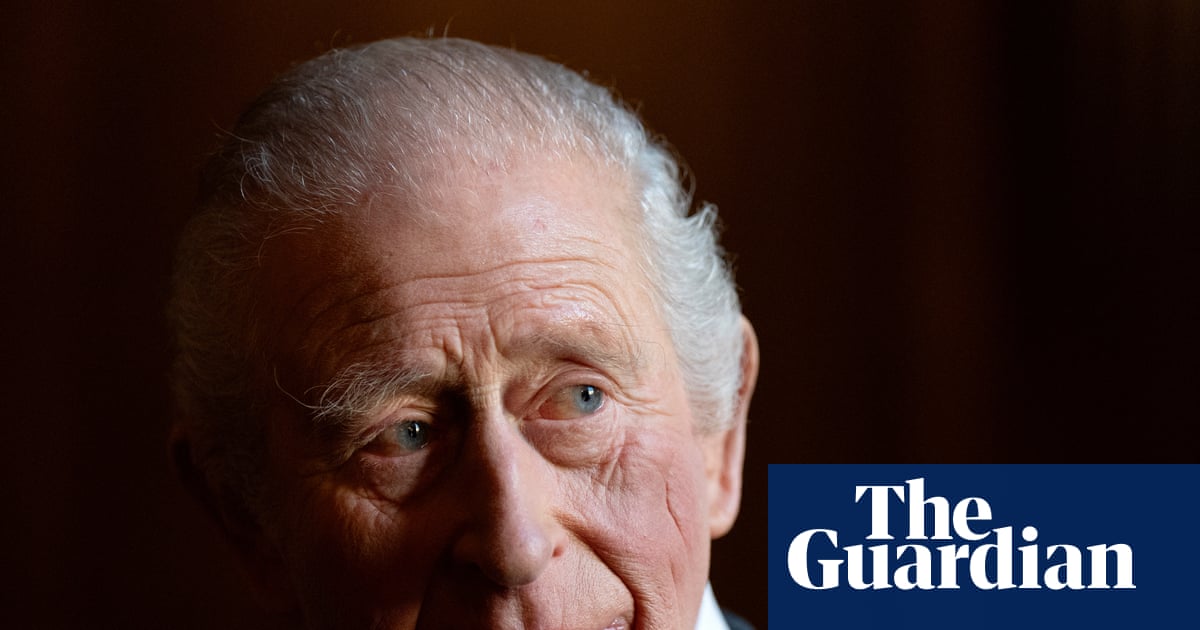
 www.theguardian.com
When will the followers of the book of Mohammad apologize for slavery. Seems like only one race, or nationality gets blamed for slavery. Or, realistically anything bad.
Calls for King Charles to formally apologise for slavery after research shows crown’s role
Book The Crown’s Silence details how crown profited from and protected trade in enslaved African people for centuries
www.theguardian.com

OVERBORED
Well-Known Angler

Paterson warns drivers after residents use chairs, trash cans to save parking spots
Many vehicles remain stuck behind tall piles of snow, with some cars plowed in as crews work to clear roadways.
newjersey.news12.com

I don't know, maybe it headed North in search of warmer temps??
A Rhode Island man digging out his driveway this week discovered a large lizard thousands of miles from its natural habitat buried in nearly 20 inches of snow, leaving the animal weakened but on a slow path to recovery.
The lizard, a tegu, which is found in South America, was suffering from frostbite to its tongue and “showed signs of significant muscle weakness after prolonged exposure to the cold,” the New England Wildlife Center, an organization that provides veterinary care, said on Facebook.
The man who found the animal was not publicly identified, but his quick thinking helped save it, as he brought it into his home and wrapped it in a T-shirt “to help conserve heat,” the center said.
He then contacted the owners of ET Reptiles in Warwick, R.I., which responded immediately and retrieved the animal to give it the best chances of survival.
Tegu lizards, like all reptiles, are ectotherms (more commonly called coldblooded) and, as a result, their body temperature rises and falls with that of the environment.
“When temperatures drop too low for too long, their metabolism slows, blood flow is compromised, and cells begin to fail,” the center said. “In this case, the cold likely led to tissue damage and a cold-induced myopathy, essentially muscle injury caused by inadequate circulation and energy at low temperatures.”
It’s unclear where the lizard came from, the center said, but it was found “extremely weak, underweight, and not moving well.”
After the lizard was taken from the man, it was “gradually warmed at room temperature and closely monitored,” until an animal hospital visit could be arranged, the center said.
Two of the center’s doctors treated the lizard for its injuries, which included amputating “nonviable tissue” from its tongue and providing steroids to “help address inflammation and generalized weakness,” the center said.
Kevin Torregrosa, the curator of herpetology at the Bronx Zoo, said the lizard is a South American species that’s “certainly not well adapted to the winters of the Northeast.”
While there are different tegu species, one type, known as black-and-white, has been increasingly found in the wild in southeastern states like Florida, Georgia, and South Carolina because they are released by pet owners.
They can grow several feet long, weigh up to 10 pounds and live up to 20 years.
ET Reptiles, the shop that helped with the lizard’s rescue, referred to the animal as Frankie on Facebook on Thursday.
Calling the lizard a “fighter,” the shop reported seeing “small but encouraging changes.”
“Frankie is more alert and more active than she was initially, which gives us so much hope,” ET Reptiles said, before cautioning that the animal was not “completely out of the woods just yet.”
The shop said that the lizard was starting a course of antibiotics for an upper respiratory infection and that it would continue to closely monitor its health.
“Recovery will take time, patience, and a lot of support,” the shop said. “But Frankie is showing us just how strong she can be!”
Large Lizard Is Rescued After It’s Found Buried in Rhode Island Snow
The reptile, a tegu, had frostbite and showed signs of weakness from exposure in this week’s cold weather. It was unclear where it came from.A Rhode Island man digging out his driveway this week discovered a large lizard thousands of miles from its natural habitat buried in nearly 20 inches of snow, leaving the animal weakened but on a slow path to recovery.
The lizard, a tegu, which is found in South America, was suffering from frostbite to its tongue and “showed signs of significant muscle weakness after prolonged exposure to the cold,” the New England Wildlife Center, an organization that provides veterinary care, said on Facebook.
The man who found the animal was not publicly identified, but his quick thinking helped save it, as he brought it into his home and wrapped it in a T-shirt “to help conserve heat,” the center said.
He then contacted the owners of ET Reptiles in Warwick, R.I., which responded immediately and retrieved the animal to give it the best chances of survival.
Tegu lizards, like all reptiles, are ectotherms (more commonly called coldblooded) and, as a result, their body temperature rises and falls with that of the environment.
“When temperatures drop too low for too long, their metabolism slows, blood flow is compromised, and cells begin to fail,” the center said. “In this case, the cold likely led to tissue damage and a cold-induced myopathy, essentially muscle injury caused by inadequate circulation and energy at low temperatures.”
It’s unclear where the lizard came from, the center said, but it was found “extremely weak, underweight, and not moving well.”
After the lizard was taken from the man, it was “gradually warmed at room temperature and closely monitored,” until an animal hospital visit could be arranged, the center said.
Two of the center’s doctors treated the lizard for its injuries, which included amputating “nonviable tissue” from its tongue and providing steroids to “help address inflammation and generalized weakness,” the center said.
Kevin Torregrosa, the curator of herpetology at the Bronx Zoo, said the lizard is a South American species that’s “certainly not well adapted to the winters of the Northeast.”
While there are different tegu species, one type, known as black-and-white, has been increasingly found in the wild in southeastern states like Florida, Georgia, and South Carolina because they are released by pet owners.
They can grow several feet long, weigh up to 10 pounds and live up to 20 years.
ET Reptiles, the shop that helped with the lizard’s rescue, referred to the animal as Frankie on Facebook on Thursday.
Calling the lizard a “fighter,” the shop reported seeing “small but encouraging changes.”
“Frankie is more alert and more active than she was initially, which gives us so much hope,” ET Reptiles said, before cautioning that the animal was not “completely out of the woods just yet.”
The shop said that the lizard was starting a course of antibiotics for an upper respiratory infection and that it would continue to closely monitor its health.
“Recovery will take time, patience, and a lot of support,” the shop said. “But Frankie is showing us just how strong she can be!”
Avenger
Well-Known Angler
I don't know, maybe it headed North in search of warmer temps??
Large Lizard Is Rescued After It’s Found Buried in Rhode Island Snow
The reptile, a tegu, had frostbite and showed signs of weakness from exposure in this week’s cold weather. It was unclear where it came from.
A Rhode Island man digging out his driveway this week discovered a large lizard thousands of miles from its natural habitat buried in nearly 20 inches of snow, leaving the animal weakened but on a slow path to recovery.
The lizard, a tegu, which is found in South America, was suffering from frostbite to its tongue and “showed signs of significant muscle weakness after prolonged exposure to the cold,” the New England Wildlife Center, an organization that provides veterinary care, said on Facebook.
The man who found the animal was not publicly identified, but his quick thinking helped save it, as he brought it into his home and wrapped it in a T-shirt “to help conserve heat,” the center said.
He then contacted the owners of ET Reptiles in Warwick, R.I., which responded immediately and retrieved the animal to give it the best chances of survival.
Tegu lizards, like all reptiles, are ectotherms (more commonly called coldblooded) and, as a result, their body temperature rises and falls with that of the environment.
“When temperatures drop too low for too long, their metabolism slows, blood flow is compromised, and cells begin to fail,” the center said. “In this case, the cold likely led to tissue damage and a cold-induced myopathy, essentially muscle injury caused by inadequate circulation and energy at low temperatures.”
It’s unclear where the lizard came from, the center said, but it was found “extremely weak, underweight, and not moving well.”
After the lizard was taken from the man, it was “gradually warmed at room temperature and closely monitored,” until an animal hospital visit could be arranged, the center said.
Two of the center’s doctors treated the lizard for its injuries, which included amputating “nonviable tissue” from its tongue and providing steroids to “help address inflammation and generalized weakness,” the center said.
Kevin Torregrosa, the curator of herpetology at the Bronx Zoo, said the lizard is a South American species that’s “certainly not well adapted to the winters of the Northeast.”
While there are different tegu species, one type, known as black-and-white, has been increasingly found in the wild in southeastern states like Florida, Georgia, and South Carolina because they are released by pet owners.
They can grow several feet long, weigh up to 10 pounds and live up to 20 years.
ET Reptiles, the shop that helped with the lizard’s rescue, referred to the animal as Frankie on Facebook on Thursday.
Calling the lizard a “fighter,” the shop reported seeing “small but encouraging changes.”
“Frankie is more alert and more active than she was initially, which gives us so much hope,” ET Reptiles said, before cautioning that the animal was not “completely out of the woods just yet.”
The shop said that the lizard was starting a course of antibiotics for an upper respiratory infection and that it would continue to closely monitor its health.
“Recovery will take time, patience, and a lot of support,” the shop said. “But Frankie is showing us just how strong she can be!”
I'm kind of up to my eyeballs with these fu¢#ing idiots who love scaly things bringing them into an environment they don't belong in and then either not securing them properly or "releasing" them into the wild when they get out of hand.
Iguanas falling out of trees and giant snakes in the swamps of Floriduh, and now some poor Tegu is suffering because a selfish blowhole wanted a pet. Pets with a brain the size of a pea, that probably would eat them without a thought if the opportunity arose.
Morons.


Hospital evacuated after 8-inch WWI artillery shell discovered in patient’s butt
It was a bum-shell discovery.
 nypost.com
ALIENS!!!
Some reached for melatonin for their pets and for themselves. They also downloaded white-noise apps. Others resorted to earplugs.
But those remedies for the sleep-deprived have offered little respite in one Connecticut shoreline city, where a phantom humming sound has reverberated persistently in several neighborhoods in recent years.
The low-frequency noise, which has drawn comparisons to a kitchen range downdraft or a Shop-Vac, has prompted more than 200 complaints from residents of West Haven, Conn., who have struggled to identify the cause.
So has the city of about 55,000 people, home to part of Yale University’s West Campus, beaches, industrial facilities and New Haven-style “apizza,” pronounced ah-beetz.
Last month, the City Council voted to spend $16,000 to hire an acoustics expert to place noise-monitoring equipment at several locations to try to solve the mystery.
Most of the complaints have been clustered in a part of the city known as West Shore, where a food ingredient plant known for making edible sparkles is drawing renewed scrutiny despite its past sound-dampening efforts.
The humming noise has penetrated dense building materials, including the brick exterior and plaster walls of a home owned by Donna Rzasa.
“In the beginning, I think we all thought we were losing our mind,” Ms. Rzasa, 56, said in an interview.
Ms. Rzasa recalled how she has been awakened in the middle of the night by the humming, which she first noticed last year. It has not been conducive to her early-morning schedule delivering mail for the U.S. Postal Service.
“Once you’re up, you’re done,” she said.
Eight houses away from Ms. Rzasa’s home, Kimberly Nunes, 38, said the noise had been a nagging problem for about three years.
“I can be laying down in bed, and you can still hear it with the television sound on,” said Ms. Nunes, who works in health care.
In December, Ms. Nunes started an online petition that more than 150 people signed asking the city to take action on the noise.
Dorinda Borer, West Haven’s mayor and a former state representative, said it was her hope that the acoustics study, which should take about four weeks, would pinpoint the sound’s source.
“I think if you had a continual noise, you know, this would drive you crazy, right?” Ms. Borer said. “There’s no relief from it sometimes, and it impacts people in different ways. So there may be four people living in a home, two people hear it, two people don’t.”
Erica D. Walker, an assistant professor of epidemiology at the Brown University School of Public Health who runs the Community Noise Lab housed at the university, said low-frequency noises can disrupt sleep cycles and cause anxiety and depression.
“People feel imprisoned by it,” Dr. Walker said. “It’s kind of destroying the acoustical fabric of a community. It’s anxiety-driven. You appeal to authorities. They don’t know what to do about it. They think you’re crazy.”
In the United States, she said, scientific research on the side effects of low-frequency noises has been more focused in military settings than civilian ones.
“It’s hard to abate,” she said. “It’s hard to pinpoint. There’s an incredibly disorienting effect to it.”
Herb Singleton, an acoustical consultant and president of Cross-Spectrum Acoustics Inc., which has helped other communities study similar disturbances, said a sound’s frequency component is different from its loudness component, which is measured in decibels.
Low-frequency noises, like a rumble, have longer wavelengths that can cover greater distances, according to Mr. Singleton, who said cellphone recordings of the noise were not likely to convey the magnitude of the problem because they are designed to suppress those sounds.
Most of the time, Mr. Singleton said, acoustics experts are able to zero in on a culprit.
“It’s typically mechanical equipment,” he said.
In Connecticut, noise traveling from an industrial zone to a residential area is considered excessive if it goes above 61 decibels during the day and 51 decibels at night, roughly the level of a normal conversation or a household refrigerator, under the state’s and West Haven’s noise laws.
If the city can prove that the noise sticks out above other tones, those limits decrease by five decibels.
John Carrano, West Haven’s human services commissioner, has taken informal readings with a decibel meter at dozens of locations, including at his home in a neighborhood overlooking Glanbia Nutritionals, the company that makes edible sparkles that are used in confections.
A vast majority of those readings did not exceed permitted levels, according to Mr. Carrano, who said during a City Council meeting on Jan. 12 that the city was required to isolate the noise and prove its origin before it could issue a violation.
“We’d be out at 11 o’clock at night, 2 o’clock in the morning, 5 o’clock in the morning, trying to find these sounds,” Mr. Carrano said.
In a statement, Glanbia Nutritionals, which is based in Ireland, said it was committed to being a responsible neighbor and had taken steps to address noise, including installing fully enclosed air compressors, upgrading mufflers and constructing targeted sound barriers.
“Independent third-party sound testing, including both extended and multi-location assessments, indicates that our site operates within applicable limits,” the company said. “We have nonetheless implemented a series of precautionary measures to improve sound management at the site.”
Christopher E. Vargo Jr., the City Council chairman, said he accompanied Mr. Carrano to investigate the noise after residents complained.
“It’s kind of like driving down the highway, and you open up the rear passenger window only,” he said in an interview, describing the noise. “You have this, for lack of a better word, like a strong, intense whoosh.”
Tracy Sabia, 66, a retiree whose home overlooks the industrial zone and the food ingredient plant, said she was already dealing with sleep apnea when she started hearing the humming.
“It’s just terrible,” she said. “It’s 24/7. No matter what room you go in, you hear it.”
At Ms. Rzasa’s home, which is about 1.3 miles from the industrial zone, her dog, Quigley, a rescue mix, has also shown signs of being agitated by the noise.
“Twelve-thirty this morning, my dog got me up and all I heard was the humming,” she said.
Ms. Rzasa said she downloaded a white-noise app on her phone, but it drained the battery during the night.
Then she tried using a similar feature on her Alexa-enabled speaker, but she quit using it because she needed to pay for a subscription. So she invested in a white-noise machine.
“At least we know we’re not crazy,” she said.
A Phantom Humming Has a Connecticut City at Wit’s End
West Haven, Conn., has budgeted $16,000 for an acoustics expert to try to pinpoint the source of a low-frequency disturbance that has disrupted residents’ lives.Some reached for melatonin for their pets and for themselves. They also downloaded white-noise apps. Others resorted to earplugs.
But those remedies for the sleep-deprived have offered little respite in one Connecticut shoreline city, where a phantom humming sound has reverberated persistently in several neighborhoods in recent years.
The low-frequency noise, which has drawn comparisons to a kitchen range downdraft or a Shop-Vac, has prompted more than 200 complaints from residents of West Haven, Conn., who have struggled to identify the cause.
So has the city of about 55,000 people, home to part of Yale University’s West Campus, beaches, industrial facilities and New Haven-style “apizza,” pronounced ah-beetz.
Last month, the City Council voted to spend $16,000 to hire an acoustics expert to place noise-monitoring equipment at several locations to try to solve the mystery.
Most of the complaints have been clustered in a part of the city known as West Shore, where a food ingredient plant known for making edible sparkles is drawing renewed scrutiny despite its past sound-dampening efforts.
The humming noise has penetrated dense building materials, including the brick exterior and plaster walls of a home owned by Donna Rzasa.
“In the beginning, I think we all thought we were losing our mind,” Ms. Rzasa, 56, said in an interview.
Ms. Rzasa recalled how she has been awakened in the middle of the night by the humming, which she first noticed last year. It has not been conducive to her early-morning schedule delivering mail for the U.S. Postal Service.
“Once you’re up, you’re done,” she said.
Eight houses away from Ms. Rzasa’s home, Kimberly Nunes, 38, said the noise had been a nagging problem for about three years.
“I can be laying down in bed, and you can still hear it with the television sound on,” said Ms. Nunes, who works in health care.
In December, Ms. Nunes started an online petition that more than 150 people signed asking the city to take action on the noise.
Dorinda Borer, West Haven’s mayor and a former state representative, said it was her hope that the acoustics study, which should take about four weeks, would pinpoint the sound’s source.
“I think if you had a continual noise, you know, this would drive you crazy, right?” Ms. Borer said. “There’s no relief from it sometimes, and it impacts people in different ways. So there may be four people living in a home, two people hear it, two people don’t.”
Erica D. Walker, an assistant professor of epidemiology at the Brown University School of Public Health who runs the Community Noise Lab housed at the university, said low-frequency noises can disrupt sleep cycles and cause anxiety and depression.
“People feel imprisoned by it,” Dr. Walker said. “It’s kind of destroying the acoustical fabric of a community. It’s anxiety-driven. You appeal to authorities. They don’t know what to do about it. They think you’re crazy.”
In the United States, she said, scientific research on the side effects of low-frequency noises has been more focused in military settings than civilian ones.
“It’s hard to abate,” she said. “It’s hard to pinpoint. There’s an incredibly disorienting effect to it.”
Herb Singleton, an acoustical consultant and president of Cross-Spectrum Acoustics Inc., which has helped other communities study similar disturbances, said a sound’s frequency component is different from its loudness component, which is measured in decibels.
Low-frequency noises, like a rumble, have longer wavelengths that can cover greater distances, according to Mr. Singleton, who said cellphone recordings of the noise were not likely to convey the magnitude of the problem because they are designed to suppress those sounds.
Most of the time, Mr. Singleton said, acoustics experts are able to zero in on a culprit.
“It’s typically mechanical equipment,” he said.
In Connecticut, noise traveling from an industrial zone to a residential area is considered excessive if it goes above 61 decibels during the day and 51 decibels at night, roughly the level of a normal conversation or a household refrigerator, under the state’s and West Haven’s noise laws.
If the city can prove that the noise sticks out above other tones, those limits decrease by five decibels.
John Carrano, West Haven’s human services commissioner, has taken informal readings with a decibel meter at dozens of locations, including at his home in a neighborhood overlooking Glanbia Nutritionals, the company that makes edible sparkles that are used in confections.
A vast majority of those readings did not exceed permitted levels, according to Mr. Carrano, who said during a City Council meeting on Jan. 12 that the city was required to isolate the noise and prove its origin before it could issue a violation.
“We’d be out at 11 o’clock at night, 2 o’clock in the morning, 5 o’clock in the morning, trying to find these sounds,” Mr. Carrano said.
In a statement, Glanbia Nutritionals, which is based in Ireland, said it was committed to being a responsible neighbor and had taken steps to address noise, including installing fully enclosed air compressors, upgrading mufflers and constructing targeted sound barriers.
“Independent third-party sound testing, including both extended and multi-location assessments, indicates that our site operates within applicable limits,” the company said. “We have nonetheless implemented a series of precautionary measures to improve sound management at the site.”
Christopher E. Vargo Jr., the City Council chairman, said he accompanied Mr. Carrano to investigate the noise after residents complained.
“It’s kind of like driving down the highway, and you open up the rear passenger window only,” he said in an interview, describing the noise. “You have this, for lack of a better word, like a strong, intense whoosh.”
Tracy Sabia, 66, a retiree whose home overlooks the industrial zone and the food ingredient plant, said she was already dealing with sleep apnea when she started hearing the humming.
“It’s just terrible,” she said. “It’s 24/7. No matter what room you go in, you hear it.”
At Ms. Rzasa’s home, which is about 1.3 miles from the industrial zone, her dog, Quigley, a rescue mix, has also shown signs of being agitated by the noise.
“Twelve-thirty this morning, my dog got me up and all I heard was the humming,” she said.
Ms. Rzasa said she downloaded a white-noise app on her phone, but it drained the battery during the night.
Then she tried using a similar feature on her Alexa-enabled speaker, but she quit using it because she needed to pay for a subscription. So she invested in a white-noise machine.
“At least we know we’re not crazy,” she said.
Seriously....WTF?
 nypost.com
Olive Garden cook kills self by dunking head into searing hot deep fryer: cops
The Olive Garden employee, who hasn’t been identified, stripped his clothes off before the horrifying act.
nypost.com
Too funny…
Grand Jury Rebuffs Justice Dept. Attempt to Indict 6
Democrats in Congress
The rejection was a remarkable rebuke, suggesting that ordinary citizens did not believe that the lawmakers had committed any crimes.
Federal prosecutors in Washington sought and failed on Tuesday to secure an indictment against six Democratic lawmakers who posted a video in the fall that enraged President Trump by reminding active-duty members of the military and intelligence community that they were obligated to refuse illegal orders, four people familiar with the matter said.
It was remarkable that the U.S. attorney’s office in Washington — led by Jeanine Pirro, a longtime ally of Mr. Trump’s — authorized prosecutors to go into a grand jury and ask for an indictment of the six members of Congress, all of whom had served in the military or the nation’s spy agencies.
But it was even more remarkable that a group of ordinary citizens sitting on the grand jury in Federal District Court in Washington forcefully rejected Mr. Trump’s bid to label their expression of dissent as a criminal act warranting prosecution.
The move to charge the lawmakers — among them, Senator Mark Kelly of Arizona and Senator Elissa Slotkin of Michigan — was, by any measure, an extraordinary attempt by Trump appointees to politicize the criminal justice system even for a Justice Department that has repeatedly shattered norms of independence from the White House and followed Mr. Trump’s directives to prosecute his adversaries.
But manipulating bureaucratic levers is not the same thing as controlling the entire criminal justice system.
Before Mr. Trump’s second term, it had been exceedingly rare for grand jurors to rebuff requests by prosecutors seeking indictments. It is now happening with increased frequency, as Mr. Trump’s appointees push ahead with questionable cases in an effort to appease him.
On Tuesday, prosecutors presenting the case sought to persuade the grand jurors that the lawmakers had violated a statute that forbids interfering with the loyalty, morale or discipline of the U.S. armed forces, according to one of the people familiar with the matter.
They sought to bring charges against Mr. Kelly, Ms. Slotkin and their four colleagues in the House: Jason Crow, a former Army Ranger; Maggie Goodlander, a former Navy reservist; Chrissy Houlahan, a former Air Force officer; and Chris Deluzio, a Navy veteran.
The Justice Department declined to comment.
Ms. Slotkin welcomed the outcome. “No matter what President Trump and Pirro continue to do with this case, tonight we can score one for the Constitution, our freedom of speech, and the rule of law,” she said in a statement.
Mr. Kelly denounced the administration’s repeated efforts to target him and his colleagues.
“This is an outrageous abuse of power by Donald Trump and his lackeys,” he said in a statement. “Donald Trump wants every American to be too scared to speak out against him. The most patriotic thing any of us can do is not back down.”
Time and again, the Justice Department under Mr. Trump has brought questionable criminal cases against foes of the president — among them, James B. Comey, the former F.B.I. director, and Letitia James, New York’s attorney general.
Even though many of these cases have been weak, the department has apparently determined that it may be better to fail in court rather than push back against Mr. Trump’s well-known desire for revenge.
The president, emboldened by his success in bending the Justice Department and F.B.I. to his will, has intensified his effort to deploy the vast arsenal of federal law enforcement to pursue his political agenda and personal grievances.
The department recently opened investigations into Democratic officials in Minnesota who opposed his immigration crackdown, and arrested the journalist Don Lemon over his presence at a church protest in Minneapolis. Last week, the F.B.I. searched an elections office in the Atlanta area based on debunked claims that the 2020 presidential election was stolen.
In November, Ms. Pirro, a longtime Trump ally, approved a criminal investigation into Jerome H. Powell, the Fed chairman, whom Mr. Trump has long sought to supplant.
The case against the lawmakers was prompted by an online videoorganized by Ms. Slotkin, a former C.I.A. analyst who served multiple tours in Iraq. It did not mention any specific order or military scenario. But it was released as Mr. Trump was authorizing strikes against suspected drug boats in the Caribbean and considered deploying active-duty military troops to American cities to quell protests.
The lawmakers took turns reading a statement in which they cautioned that the “threats to our Constitution aren’t just coming from abroad, but from right here at home.”
“Our laws are clear,” said Mr. Kelly, a Navy veteran and former astronaut. “You can refuse illegal orders.”
Almost immediately, the video drew the ire of Mr. Trump, who demanded that the lawmakers be punished and even suggested that they should be executed.
“SEDITIOUS BEHAVIOR, punishable by DEATH!” Mr. Trump wrote on his social media site. He shared another person’s post that said, “HANG THEM GEORGE WASHINGTON WOULD !!”
Days later, the six lawmakers disclosed that the F.B.I. had contacted the House and Senate sergeants-at-arms requesting interviews with them, indicating that a criminal investigation was underway.
“President Trump is using the F.B.I. as a tool to intimidate and harass members of Congress,” the four House members who took part in the video said in a joint statement. “No amount of intimidation or harassment will ever stop us from doing our jobs and honoring our Constitution.”
Mr. Kelly is also facing a separate investigation by the Pentagon into what military officials described as “serious allegations of misconduct.”
In a social media post in November, Defense Secretary Pete Hegseth said that the video was “despicable, reckless, and false,” and he asserted that the lawmakers, whom he disparaged as the “Seditious Six,” were encouraging troops to “ignore the orders of their Commanders.”
“Their foolish screed sows doubt and confusion — which only puts our warriors in danger,” Mr. Hegseth wrote.
Grand Jury Rebuffs Justice Dept. Attempt to Indict 6
Democrats in Congress
The rejection was a remarkable rebuke, suggesting that ordinary citizens did not believe that the lawmakers had committed any crimes.
Federal prosecutors in Washington sought and failed on Tuesday to secure an indictment against six Democratic lawmakers who posted a video in the fall that enraged President Trump by reminding active-duty members of the military and intelligence community that they were obligated to refuse illegal orders, four people familiar with the matter said.
It was remarkable that the U.S. attorney’s office in Washington — led by Jeanine Pirro, a longtime ally of Mr. Trump’s — authorized prosecutors to go into a grand jury and ask for an indictment of the six members of Congress, all of whom had served in the military or the nation’s spy agencies.
But it was even more remarkable that a group of ordinary citizens sitting on the grand jury in Federal District Court in Washington forcefully rejected Mr. Trump’s bid to label their expression of dissent as a criminal act warranting prosecution.
The move to charge the lawmakers — among them, Senator Mark Kelly of Arizona and Senator Elissa Slotkin of Michigan — was, by any measure, an extraordinary attempt by Trump appointees to politicize the criminal justice system even for a Justice Department that has repeatedly shattered norms of independence from the White House and followed Mr. Trump’s directives to prosecute his adversaries.
But manipulating bureaucratic levers is not the same thing as controlling the entire criminal justice system.
Before Mr. Trump’s second term, it had been exceedingly rare for grand jurors to rebuff requests by prosecutors seeking indictments. It is now happening with increased frequency, as Mr. Trump’s appointees push ahead with questionable cases in an effort to appease him.
On Tuesday, prosecutors presenting the case sought to persuade the grand jurors that the lawmakers had violated a statute that forbids interfering with the loyalty, morale or discipline of the U.S. armed forces, according to one of the people familiar with the matter.
They sought to bring charges against Mr. Kelly, Ms. Slotkin and their four colleagues in the House: Jason Crow, a former Army Ranger; Maggie Goodlander, a former Navy reservist; Chrissy Houlahan, a former Air Force officer; and Chris Deluzio, a Navy veteran.
The Justice Department declined to comment.
Ms. Slotkin welcomed the outcome. “No matter what President Trump and Pirro continue to do with this case, tonight we can score one for the Constitution, our freedom of speech, and the rule of law,” she said in a statement.
Mr. Kelly denounced the administration’s repeated efforts to target him and his colleagues.
“This is an outrageous abuse of power by Donald Trump and his lackeys,” he said in a statement. “Donald Trump wants every American to be too scared to speak out against him. The most patriotic thing any of us can do is not back down.”
Time and again, the Justice Department under Mr. Trump has brought questionable criminal cases against foes of the president — among them, James B. Comey, the former F.B.I. director, and Letitia James, New York’s attorney general.
Even though many of these cases have been weak, the department has apparently determined that it may be better to fail in court rather than push back against Mr. Trump’s well-known desire for revenge.
The president, emboldened by his success in bending the Justice Department and F.B.I. to his will, has intensified his effort to deploy the vast arsenal of federal law enforcement to pursue his political agenda and personal grievances.
The department recently opened investigations into Democratic officials in Minnesota who opposed his immigration crackdown, and arrested the journalist Don Lemon over his presence at a church protest in Minneapolis. Last week, the F.B.I. searched an elections office in the Atlanta area based on debunked claims that the 2020 presidential election was stolen.
In November, Ms. Pirro, a longtime Trump ally, approved a criminal investigation into Jerome H. Powell, the Fed chairman, whom Mr. Trump has long sought to supplant.
The case against the lawmakers was prompted by an online videoorganized by Ms. Slotkin, a former C.I.A. analyst who served multiple tours in Iraq. It did not mention any specific order or military scenario. But it was released as Mr. Trump was authorizing strikes against suspected drug boats in the Caribbean and considered deploying active-duty military troops to American cities to quell protests.
The lawmakers took turns reading a statement in which they cautioned that the “threats to our Constitution aren’t just coming from abroad, but from right here at home.”
“Our laws are clear,” said Mr. Kelly, a Navy veteran and former astronaut. “You can refuse illegal orders.”
Almost immediately, the video drew the ire of Mr. Trump, who demanded that the lawmakers be punished and even suggested that they should be executed.
“SEDITIOUS BEHAVIOR, punishable by DEATH!” Mr. Trump wrote on his social media site. He shared another person’s post that said, “HANG THEM GEORGE WASHINGTON WOULD !!”
Days later, the six lawmakers disclosed that the F.B.I. had contacted the House and Senate sergeants-at-arms requesting interviews with them, indicating that a criminal investigation was underway.
“President Trump is using the F.B.I. as a tool to intimidate and harass members of Congress,” the four House members who took part in the video said in a joint statement. “No amount of intimidation or harassment will ever stop us from doing our jobs and honoring our Constitution.”
Mr. Kelly is also facing a separate investigation by the Pentagon into what military officials described as “serious allegations of misconduct.”
In a social media post in November, Defense Secretary Pete Hegseth said that the video was “despicable, reckless, and false,” and he asserted that the lawmakers, whom he disparaged as the “Seditious Six,” were encouraging troops to “ignore the orders of their Commanders.”
“Their foolish screed sows doubt and confusion — which only puts our warriors in danger,” Mr. Hegseth wrote.
Poor Pete, just got shut down!!!Too funny…
Grand Jury Rebuffs Justice Dept. Attempt to Indict 6
Democrats in Congress
The rejection was a remarkable rebuke, suggesting that ordinary citizens did not believe that the lawmakers had committed any crimes.
Federal prosecutors in Washington sought and failed on Tuesday to secure an indictment against six Democratic lawmakers who posted a video in the fall that enraged President Trump by reminding active-duty members of the military and intelligence community that they were obligated to refuse illegal orders, four people familiar with the matter said.
It was remarkable that the U.S. attorney’s office in Washington — led by Jeanine Pirro, a longtime ally of Mr. Trump’s — authorized prosecutors to go into a grand jury and ask for an indictment of the six members of Congress, all of whom had served in the military or the nation’s spy agencies.
But it was even more remarkable that a group of ordinary citizens sitting on the grand jury in Federal District Court in Washington forcefully rejected Mr. Trump’s bid to label their expression of dissent as a criminal act warranting prosecution.
The move to charge the lawmakers — among them, Senator Mark Kelly of Arizona and Senator Elissa Slotkin of Michigan — was, by any measure, an extraordinary attempt by Trump appointees to politicize the criminal justice system even for a Justice Department that has repeatedly shattered norms of independence from the White House and followed Mr. Trump’s directives to prosecute his adversaries.
But manipulating bureaucratic levers is not the same thing as controlling the entire criminal justice system.
Before Mr. Trump’s second term, it had been exceedingly rare for grand jurors to rebuff requests by prosecutors seeking indictments. It is now happening with increased frequency, as Mr. Trump’s appointees push ahead with questionable cases in an effort to appease him.
On Tuesday, prosecutors presenting the case sought to persuade the grand jurors that the lawmakers had violated a statute that forbids interfering with the loyalty, morale or discipline of the U.S. armed forces, according to one of the people familiar with the matter.
They sought to bring charges against Mr. Kelly, Ms. Slotkin and their four colleagues in the House: Jason Crow, a former Army Ranger; Maggie Goodlander, a former Navy reservist; Chrissy Houlahan, a former Air Force officer; and Chris Deluzio, a Navy veteran.
The Justice Department declined to comment.
Ms. Slotkin welcomed the outcome. “No matter what President Trump and Pirro continue to do with this case, tonight we can score one for the Constitution, our freedom of speech, and the rule of law,” she said in a statement.
Mr. Kelly denounced the administration’s repeated efforts to target him and his colleagues.
“This is an outrageous abuse of power by Donald Trump and his lackeys,” he said in a statement. “Donald Trump wants every American to be too scared to speak out against him. The most patriotic thing any of us can do is not back down.”
Time and again, the Justice Department under Mr. Trump has brought questionable criminal cases against foes of the president — among them, James B. Comey, the former F.B.I. director, and Letitia James, New York’s attorney general.
Even though many of these cases have been weak, the department has apparently determined that it may be better to fail in court rather than push back against Mr. Trump’s well-known desire for revenge.
The president, emboldened by his success in bending the Justice Department and F.B.I. to his will, has intensified his effort to deploy the vast arsenal of federal law enforcement to pursue his political agenda and personal grievances.
The department recently opened investigations into Democratic officials in Minnesota who opposed his immigration crackdown, and arrested the journalist Don Lemon over his presence at a church protest in Minneapolis. Last week, the F.B.I. searched an elections office in the Atlanta area based on debunked claims that the 2020 presidential election was stolen.
In November, Ms. Pirro, a longtime Trump ally, approved a criminal investigation into Jerome H. Powell, the Fed chairman, whom Mr. Trump has long sought to supplant.
The case against the lawmakers was prompted by an online videoorganized by Ms. Slotkin, a former C.I.A. analyst who served multiple tours in Iraq. It did not mention any specific order or military scenario. But it was released as Mr. Trump was authorizing strikes against suspected drug boats in the Caribbean and considered deploying active-duty military troops to American cities to quell protests.
The lawmakers took turns reading a statement in which they cautioned that the “threats to our Constitution aren’t just coming from abroad, but from right here at home.”
“Our laws are clear,” said Mr. Kelly, a Navy veteran and former astronaut. “You can refuse illegal orders.”
Almost immediately, the video drew the ire of Mr. Trump, who demanded that the lawmakers be punished and even suggested that they should be executed.
“SEDITIOUS BEHAVIOR, punishable by DEATH!” Mr. Trump wrote on his social media site. He shared another person’s post that said, “HANG THEM GEORGE WASHINGTON WOULD !!”
Days later, the six lawmakers disclosed that the F.B.I. had contacted the House and Senate sergeants-at-arms requesting interviews with them, indicating that a criminal investigation was underway.
“President Trump is using the F.B.I. as a tool to intimidate and harass members of Congress,” the four House members who took part in the video said in a joint statement. “No amount of intimidation or harassment will ever stop us from doing our jobs and honoring our Constitution.”
Mr. Kelly is also facing a separate investigation by the Pentagon into what military officials described as “serious allegations of misconduct.”
In a social media post in November, Defense Secretary Pete Hegseth said that the video was “despicable, reckless, and false,” and he asserted that the lawmakers, whom he disparaged as the “Seditious Six,” were encouraging troops to “ignore the orders of their Commanders.”
“Their foolish screed sows doubt and confusion — which only puts our warriors in danger,” Mr. Hegseth wrote.
Judge Temporarily Blocks Hegseth from Punishing Kelly for Video
Judge Richard J. Leon found that attempts to discipline Mark Kelly for a video that warned against following illegal orders would violate the senator’s First Amendment rights.

417K views · 2.6K reactions | According to the Nantucket Enquirer and Mirror, the island’s cocaine markers have routinely exceeded national and regional averages. #nbc10boston #massachussets #news | NBC10 Boston
According to the Nantucket Enquirer and Mirror, the island’s cocaine markers have routinely exceeded national and regional averages. #nbc10boston #massachussets #news
 www.facebook.com
OVERBORED
Well-Known Angler
Tax, Tax, Tax...........It's the socialist way!
NYC Mayor Mamdani says either wealthy get taxed more or property taxes will go up - CBS New York NYC Mayor Mamdani says either wealthy get taxed more or property taxes will go up
NYC Mayor Mamdani says either wealthy get taxed more or property taxes will go up - CBS New York NYC Mayor Mamdani says either wealthy get taxed more or property taxes will go up

Rick67
Well-Known Angler
Avenger
Well-Known Angler
If it offends a Lib…
There's plenty of prudes on the right also. My take is the bigger problem is if it offends a bureaucrat that's on a power trip or needs to justify their job.


Members online
Total: 3,284 (members: 11, guests: 3,273)

Latest articles
-
 Inside the ICAST-Winning 2026 Daiwa BG SW: A Preview of Nor’easter’s Living ArticlesThe fishing article is changing We moved the full Daiwa BG SW Living Product Anatomy experience...
- george
- Updated:
- 1 min read
-
GPT-5.6 Broke Out of Its SandboxThis sounds like something out of a science fiction movie, but it actually happened. During an...
- george
- Updated:
- 1 min read
-
 What happens in the Chesapeake Bay eventually shows up in New YorkNew York anglers have learned a hard truth over the decades: when Chesapeake recruitment runs...
- AI-ANGLER
- Updated:
- 3 min read
-
Two Ice Fishermen Perish in St. Lawrence CountyTragedy in Clifton: Two Ice Fishermen Perish in St. Lawrence County Snowmobile Accident Meta...
- george
- Updated:
- 4 min read
-
A Winter Angler's Paradise Just North of NYCIce Fishing Cross River Reservoir: The Ultimate Westchester Guide Meta Description Discover the...
- george
- Updated:
- 5 min read