This one goes both ways. I really think these Citizen Initiatives can be totally misguided, especially in a very polarized state like ME. It's easy for people to get a ton of signatures in the predominately liberal areas especially in Portland. What is needed is some insurance that signatures are obtained from the all the counties of the state. You know, at the Federal Level there's the Electoral College...
Stung by Voters, Republican Legislators Move to Curb Citizen Initiatives
After citizens in Republican states used ballot measures to protect abortion, expand Medicaid and raise the minimum wage, statehouses are moving to make such initiatives much harder.
Voters frustrated by one-party control in Republican states over the last decade have increasingly turned to citizen-sponsored initiatives to enact policies that their legislatures won’t. They expanded Medicaid, adopted paid sick leave, raised the minimum wage and safeguarded access to abortion.
Now, the legislators are striking back.
In North Dakota, Utah and South Dakota, legislatures are sponsoring measures on the November ballot that would raise the threshold for approving citizen amendments to 60 percent, not a simple majority.
In Missouri, the legislature placed a measure on the ballot that would set an even higher bar: Citizen-sponsored amendments to the state constitution would have to win in each of the state’s eight U.S. House districts. An initiative that wins 95 percent of the vote statewide could lose if it fails in a single district.
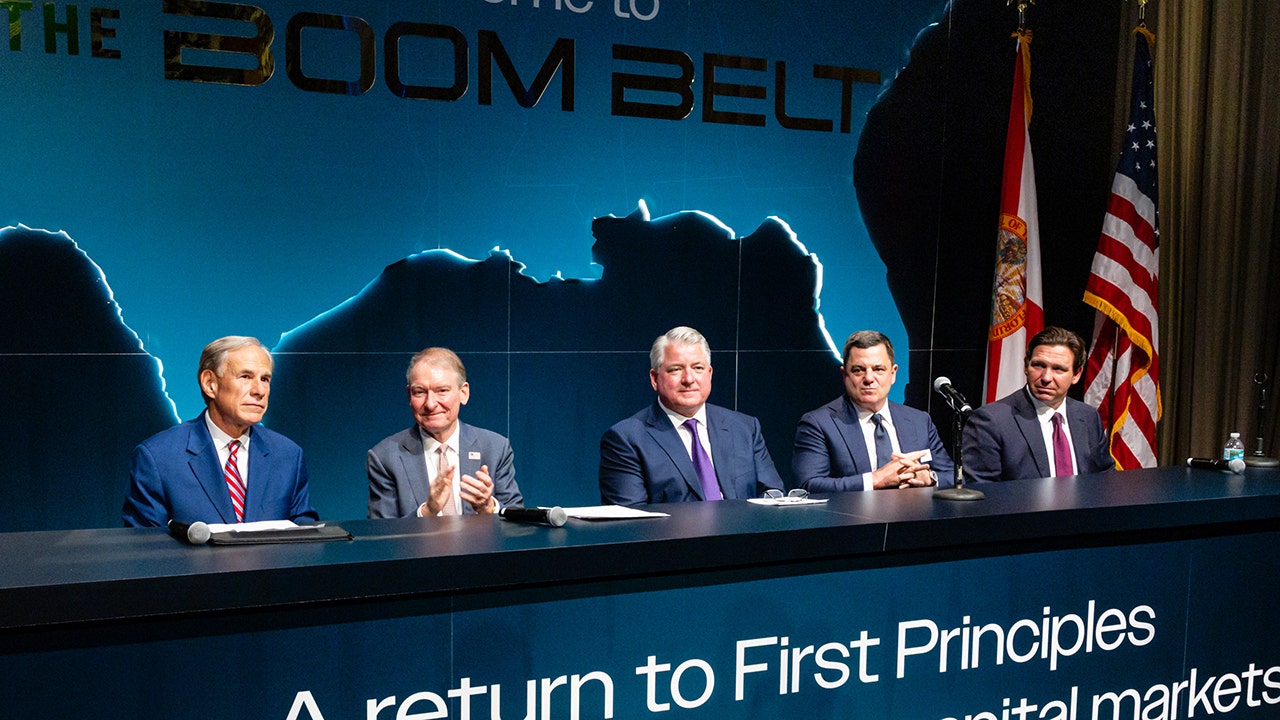
And in Florida, Gov. Ron DeSantis signed a bill imposing a raft of new requirements, fees and criminal penalties around collecting signatures on petitions for ballot measures. The result: All 22 initiatives proposed by citizens this year failed to qualify for the ballot.
The legislators argue that the nation’s founders never intended a pure democracy, and that in a representative democracy, elected legislators are entrusted to carry out their own judgments. Moreover, opponents say, citizens’ initiatives — established during the progressive era more than a century ago as a check on wealthy special interest groups — now allow such groups to hijack the will of the people.
“We live in a republic,” Stuart Adams, the president of the Utah Senate, declared in a speech last year. “We will not let initiatives driven by out-of-state money turn Utah into California.”
Even after initiatives have passed, the legislatures have resisted the will of the voters. After 58 percent of Missouri voters approved a law establishing paid sick leave, the Missouri legislature passed its own law repealing it. In Nebraska, the legislature watered down a similar measure that 75 percent of voters had approved.
The Missouri legislature has also placed a measure on the ballot in November that asks voters to reverse an initiative they passed in 2024 establishing a right to abortion; South Dakota lawmakers are trying to get voters to reverse a ballot initiative they passed to expand Medicaid.
Twenty-four states give citizens the constitutional right to sponsor initiatives. Last year, legislatures in those states passed 51 bills restricting citizen ballot measures, according to the Fairness Project, which supports progressive initiatives. Between 2018 and 2023 they had passed, on average, 34 restrictive bills a year.
This year, with legislatures still in session, the Fairness Project says it is tracking 76 potential restrictions, including proposals to require 60-percent supermajorities to approve initiatives in Arizona and Oklahoma.
“The right of citizens to petition, the most basic grass-roots right in a free society, has been corrupted not by citizens, but by out-of-state contractors and their paid petition circulators and millions and millions of dollars,” said State Senator Don Gaetz, Republican of Florida, a sponsor of initiative changes.
Groups that have helped pass ballot measures see it differently.
“They cannot win fairly so they are changing the rules of the game,” said Chris Melody Fields Figueredo, executive director of the Ballot Initiative Strategy Center, which supports state groups trying to pass citizen initiatives. “They don’t cancel democracy outright, but they create a system that is so cumbersome and so expensive and hard that you’ve taken the teeth out of the will of the people and their ability to make change.”
Citizens groups say initiatives are often their only recourse in states where gerrymandering has made it harder to oust incumbents. They argue that new laws might sound reasonable, but they are intended to intimidate volunteers and potential signers.
Nowhere is that more obvious than in Florida, which already had the highest threshold to pass an initiative, 60 percent. Florida was the only state charging fees to validate each signature. Then in May, the legislature allowed counties to raise those fees, which went up from an average of 70 cents a signature to $3.50. Palm Beach County charges $4.89 to validate each signature.
Around 880,000 voters are needed for an issue to qualify for the ballot in Florida. And because many signatures are routinely declared invalid — maybe the handwriting was illegible, or a signer wrote down his “country” of residence where the form asked for “county” — campaigns collect more than the minimum, typically about 1.3 million. With the new fees, a campaign will pay about $4.5 million before it even gets on the ballot.
The new law also requires the state to investigate any campaign where fewer than 75 percent of all signatures are declared valid. Campaigns must turn in every signature collected — even if a voter signs “Mickey Mouse” — within 10 days, or face criminal charges. Anyone collecting 25 or more signatures must complete training to receive a registration number from the state, or face felony charges. And the law expanded the definition of racketeering, so if any one canvasser makes a mistake or is accused of what the law broadly terms “irregularities or fraud,” the entire campaign can face criminal conspiracy charges.
“It’s death by a thousand cuts,” said Mitch Emerson, the executive director of Florida Decides Healthcare, which had been collecting signatures for an initiative to expand Medicaid when the legislature passed the law in May.
His group sued to block the bill and is awaiting a judge’s verdict.
In Arkansas, citizens groups have sued to block seven laws similar to those in Florida, and are trying to collect signatures for a measure to prohibit the legislature from changing citizens’ initiatives once they pass.
In response, Gov. Sarah Huckabee Sanders, a Republican, hired a “petition fraud investigator” who confronted canvassers collecting signatures for the effort outside a church in Little Rock in February and asked to see and photograph their identification.
In November, Missouri’s Republican attorney general, Catherine L. Hanaway, began investigating a citizens’ group that she said had hired undocumented immigrants to collect signatures for a ballot measure that would overturn a new congressional map drawn to cost Democrats a House seat. Accusing the groups of “undermining the will of the people’s elected representatives,” Ms. Hanaway said she had referred the matter to Immigration and Customs Enforcement.
Republican lawmakers say their efforts are necessary to ensure that voters in lightly populated rural areas aren’t crushed by the will of densely populated suburbs and cities. A high bar is appropriate when citizens are seeking to amend the state’s constitution, they argue.
“There should be a broad consensus across the state,” said Ed Lewis, the Republican state representative who sponsored the measure that would require statewide initiatives to win in each of Missouri’s congressional districts.
Under his proposal, however, amendments put on the ballot by the legislature would continue to require only a simple majority to pass. The legislature has placed a measure on the November ballot that would overturn the 2024 initiative that established a right to abortion in Missouri. The citizen initiative had passed with 52 percent.
“The fact that voters are going to extraordinary efforts, collecting hundreds of thousands of signatures to fill a gap that their lawmakers are not addressing, is an indictment of those lawmakers,” said Kelly Hall, the executive director of the Fairness Project. “They should be embarrassed.”