

hartattack
Angler
I lifted these 2 posts from the NJ website where originally posted. I'm hopeful the NY comments are productive and the arguments can be used effectively when meeting with fed regulators next year... thx
 Yesterday, 10:42 AM[/td][td]
[/td][td]Assessment of 2026 fluke season and status of fishery
My assessment of the fluke season and state of the fishery. I was on a fluke trip near the end of the season with a 10-man crew. The captain travelled at minimum 50 – 60 miles making easily fifty or more drops throughout the day. We fished typical fall big fish areas, marked loads of bait and squid which were being spit up by the massive amount of shorts we were catching. Westerly wind, 5-10 mph, 1-2 ft. seas, perfect conditions.
Net result, 20 keepers for 10 fares and easily over 600 shorts, an unimaginable 30:1 short to keeper ratio this time of year. One angler alone had between 70-80 shorts for the day! The point is the bottom in every spot we went was literally paved with 1-2 yr.-old fish, some less than 12 inches. The 16” to 17” fish are 3-4 yr.-old fish depending on gender. Never in my life have I seen so many juvenile age class fish in the fall in areas they shouldn’t be. The same short to keeper ratio is being experienced in NY, Massachusetts and Rhode Island, everywhere up and down the coast basically. Question I posted on the site about a month ago needs to be answered by the regulators responsible for the stock, “What happens to these fish during the winter months and why do these massive bodies of younger age class fish NEVER return the following season as keepers”. Until they can answer that question, there’s simply no reason to believe the current regulations are benefitting the long term health of the stock or will the trend change since it’s basically been the same for the last two and a half decades. Ever since NMFS insisted on using size minimums to manage fluke and commercials were given the exclusive benefit of smaller 14” size minimums. The last point is key in my opinion as the 14” minimum was used to dictate minimum mesh sizes for commercial operators, whether diamond or square.
It’s obvious NMFS didn’t use size minimums to manage the stock, they used them to shift a substantial portion of the stock from recreational harvest to the exclusive harvest of commercials. At 1 – 2 years of age, most fluke are of a size where they’ll slip through the nets as long as they’re not plugged. Everything dies when the nets are plugged. When fluke get to the size we saw in the summer and fall, they no longer will slip through the mesh sizes commercials are allowed so any fish that goes in the net will be killed by either being harvested or thrown back dead. Before there was a substantial offshore winter commercial fishery, we never saw these trends. Today with the prices larger fluke get back at the docks, commercials target those older age groups which can bring anywhere from 2 to 4 times market value and kill an insane amount of juvenile fish in the process. See the below.
Wholesale Price Breakdown by Size
Size Classification Average Weight / Specs Estimated Wholesale Price Range (per lb.) Market Notes
Small Under 1.5 lbs. $2.00 – $2.75 Primarily sold to high-volume processors or ethnic whole-fish markets.
Medium 1.5 to 2.5 lbs. $3.00 – $4.00 The most abundant commercial class; highly sought after by local filleting operations.
Large 2.5 to 4 lbs. $4.25 – $5.50 Commands a premium for thicker fillet cuts; ideal for standard restaurant plating.
Jumbo ("Doormats") Over 4 lbs. $5.75 – $7.50+ Top tier pricing; often diverted to white-tablecloth restaurants and sushi-grade markets.
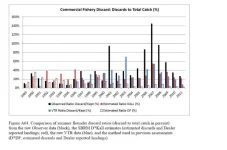
The larger specimens are being removed from the stock and the younger age classes representing the future of the fishery are being killed in the process of larger more valuable fish being harvested by the commercial sector. It’s precisely why we NEVER see these massive amount of 1 – 2 yr. old fish materialize into a robust fishery the following years. And until that problem is addressed, the stock will become weaker and weaker every season. Does anyone think North Carolina boats are steaming up here in the winter to catch fish that’ll fetch $2 /lb. when they can toss them back dead and fill their holes with fish with 2 – 3 times greater value. The winter offshore fishery and commercial regulations have caused irreparable damage to this stock which gets worse every year. Larger fish are disappearing from the southern-most border of the biomass which we’ve been seeing for years. Exactly why more of the commercial harvest comes from northern waters every passing year. Once the northern sector of the Mid-Atlantic stock and southern sector of the GOM stock have been irreparably damaged, the fisheries done. I’ve attached a chart which I’ve shown here before from the 57th stock assessment which compares reported commercial discard levels by operators to independent levels from on board federal observers. The solid black bar is the amount reported by observers, the light blue bar what commercial operators reported. If the disparity was that substantial through 2011 when market prices were less volatile between age classes, imagine what they are today. And also note what the discard levels from on board observers were in the 90’s before NMFS insisted on using size minimums to manage not the stock but the commercial sector’s catch values. When I brought this to the attention of NMFS with previous correspondence, they removed the chart permanently from future stock assessments. It’s no wonder as it answers the questions why these massive bodies of 1-2-year-old age class fish never return he following year.
I’ll leave you with this last thought. If commercials were working the same schools of fish we did on the trip I was on, keeping on average 3 lb. fish and allowed 2,000 lbs. for the trip, they’d harvest approximately 666 fish and based on a 50:1 short to keeper ratio, they’d potentially kill 33,300 juvenile fish in the process. That’s why we never see these fish return once they essentially attain 2 years of age. The stock will never rebound with these regulations.
Attached Thumbnails[/td]
[td] #1 
Broad Bill 
NJFishing.com Ambassador | Join Date: Mar 2023 Posts: 955 |
My assessment of the fluke season and state of the fishery. I was on a fluke trip near the end of the season with a 10-man crew. The captain travelled at minimum 50 – 60 miles making easily fifty or more drops throughout the day. We fished typical fall big fish areas, marked loads of bait and squid which were being spit up by the massive amount of shorts we were catching. Westerly wind, 5-10 mph, 1-2 ft. seas, perfect conditions.
Net result, 20 keepers for 10 fares and easily over 600 shorts, an unimaginable 30:1 short to keeper ratio this time of year. One angler alone had between 70-80 shorts for the day! The point is the bottom in every spot we went was literally paved with 1-2 yr.-old fish, some less than 12 inches. The 16” to 17” fish are 3-4 yr.-old fish depending on gender. Never in my life have I seen so many juvenile age class fish in the fall in areas they shouldn’t be. The same short to keeper ratio is being experienced in NY, Massachusetts and Rhode Island, everywhere up and down the coast basically. Question I posted on the site about a month ago needs to be answered by the regulators responsible for the stock, “What happens to these fish during the winter months and why do these massive bodies of younger age class fish NEVER return the following season as keepers”. Until they can answer that question, there’s simply no reason to believe the current regulations are benefitting the long term health of the stock or will the trend change since it’s basically been the same for the last two and a half decades. Ever since NMFS insisted on using size minimums to manage fluke and commercials were given the exclusive benefit of smaller 14” size minimums. The last point is key in my opinion as the 14” minimum was used to dictate minimum mesh sizes for commercial operators, whether diamond or square.
It’s obvious NMFS didn’t use size minimums to manage the stock, they used them to shift a substantial portion of the stock from recreational harvest to the exclusive harvest of commercials. At 1 – 2 years of age, most fluke are of a size where they’ll slip through the nets as long as they’re not plugged. Everything dies when the nets are plugged. When fluke get to the size we saw in the summer and fall, they no longer will slip through the mesh sizes commercials are allowed so any fish that goes in the net will be killed by either being harvested or thrown back dead. Before there was a substantial offshore winter commercial fishery, we never saw these trends. Today with the prices larger fluke get back at the docks, commercials target those older age groups which can bring anywhere from 2 to 4 times market value and kill an insane amount of juvenile fish in the process. See the below.
Wholesale Price Breakdown by Size
Size Classification Average Weight / Specs Estimated Wholesale Price Range (per lb.) Market Notes
Small Under 1.5 lbs. $2.00 – $2.75 Primarily sold to high-volume processors or ethnic whole-fish markets.
Medium 1.5 to 2.5 lbs. $3.00 – $4.00 The most abundant commercial class; highly sought after by local filleting operations.
Large 2.5 to 4 lbs. $4.25 – $5.50 Commands a premium for thicker fillet cuts; ideal for standard restaurant plating.
Jumbo ("Doormats") Over 4 lbs. $5.75 – $7.50+ Top tier pricing; often diverted to white-tablecloth restaurants and sushi-grade markets.
The larger specimens are being removed from the stock and the younger age classes representing the future of the fishery are being killed in the process of larger more valuable fish being harvested by the commercial sector. It’s precisely why we NEVER see these massive amount of 1 – 2 yr. old fish materialize into a robust fishery the following years. And until that problem is addressed, the stock will become weaker and weaker every season. Does anyone think North Carolina boats are steaming up here in the winter to catch fish that’ll fetch $2 /lb. when they can toss them back dead and fill their holes with fish with 2 – 3 times greater value. The winter offshore fishery and commercial regulations have caused irreparable damage to this stock which gets worse every year. Larger fish are disappearing from the southern-most border of the biomass which we’ve been seeing for years. Exactly why more of the commercial harvest comes from northern waters every passing year. Once the northern sector of the Mid-Atlantic stock and southern sector of the GOM stock have been irreparably damaged, the fisheries done. I’ve attached a chart which I’ve shown here before from the 57th stock assessment which compares reported commercial discard levels by operators to independent levels from on board federal observers. The solid black bar is the amount reported by observers, the light blue bar what commercial operators reported. If the disparity was that substantial through 2011 when market prices were less volatile between age classes, imagine what they are today. And also note what the discard levels from on board observers were in the 90’s before NMFS insisted on using size minimums to manage not the stock but the commercial sector’s catch values. When I brought this to the attention of NMFS with previous correspondence, they removed the chart permanently from future stock assessments. It’s no wonder as it answers the questions why these massive bodies of 1-2-year-old age class fish never return he following year.
I’ll leave you with this last thought. If commercials were working the same schools of fish we did on the trip I was on, keeping on average 3 lb. fish and allowed 2,000 lbs. for the trip, they’d harvest approximately 666 fish and based on a 50:1 short to keeper ratio, they’d potentially kill 33,300 juvenile fish in the process. That’s why we never see these fish return once they essentially attain 2 years of age. The stock will never rebound with these regulations.
Attached Thumbnails[/td]
Attachments
Last edited:


